
Is Seeing Believing? Part 2
What Robotiz3d’s pothole-filling technology can teach us about the quiet power of communication.
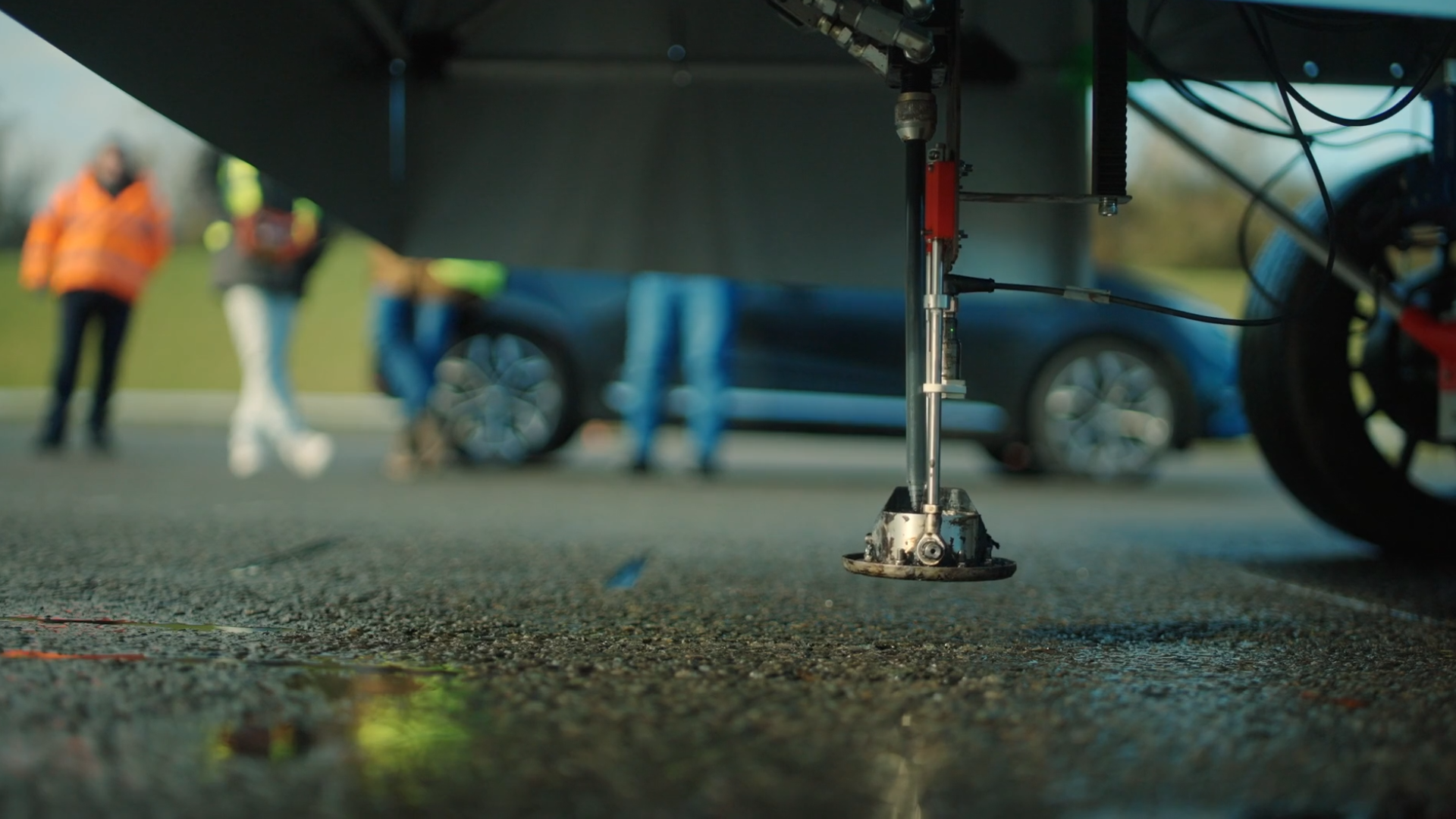
In the last edition, I talked about transparency - how trust in autonomous technology isn’t built on blind faith, but on understanding. But that idea doesn’t just apply to how autonomous systems make decisions. It also applies to how we show them to the world.
Because even the most remarkable technology can only make an impact if people actually see and understand what it’s doing.
That’s what struck me about Robotiz3d, one of the SMEs on Zenzic’s CAM Scale-Up UK programme.
Their mission is quietly ambitious: to make roads safer and more sustainable through intelligent, automated maintenance and repair. In short, they’ve built a robot that can detect, prevent, and fix potholes before they become a problem.
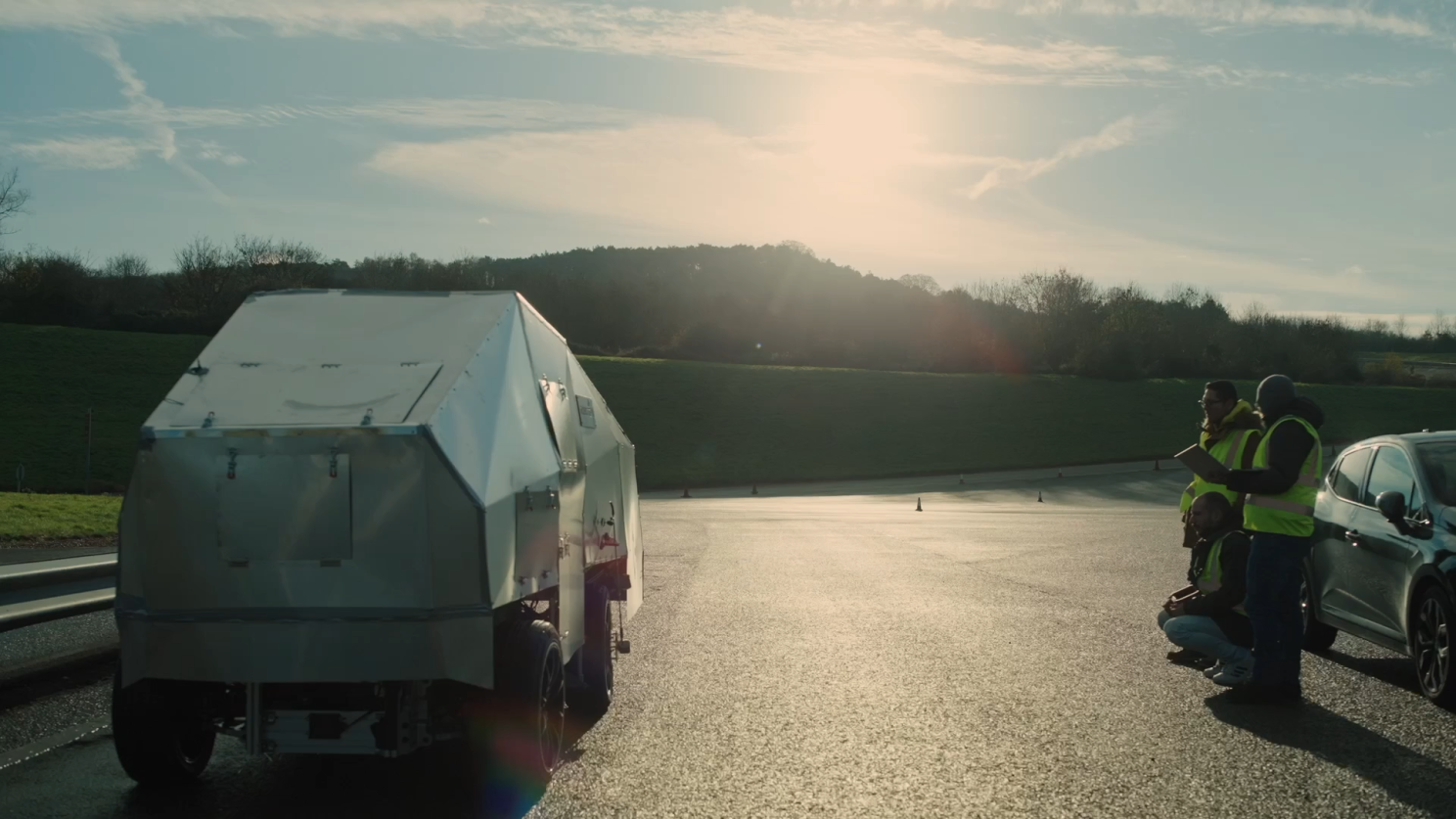
Not the kind of work that usually grabs headlines. And yet, it did, because they had simple, clear footage on hand when the opportunity for publicity arose (and because everyone hates potholes).
When we filmed Robotiz3d as part of the CAM Scale-Up video series, the goal wasn’t to make a blockbuster - just to show their technology clearly and honestly in action. But that footage became the foundation for something far bigger.
According to Robotiz3d, the video content from that first round of the programme went on to feature in major outlets like The One Show and the BBC, driving enormous awareness around the world.
They saw new funding and investment opportunities. They began piloting both in the UK and overseas. They gained paying customers, and a global audience.
All sparked by a few minutes of visual storytelling.
Robotiz3d didn’t change what their technology could do — they simply gave people a clearer window into it. And in doing so, they turned curiosity into credibility.
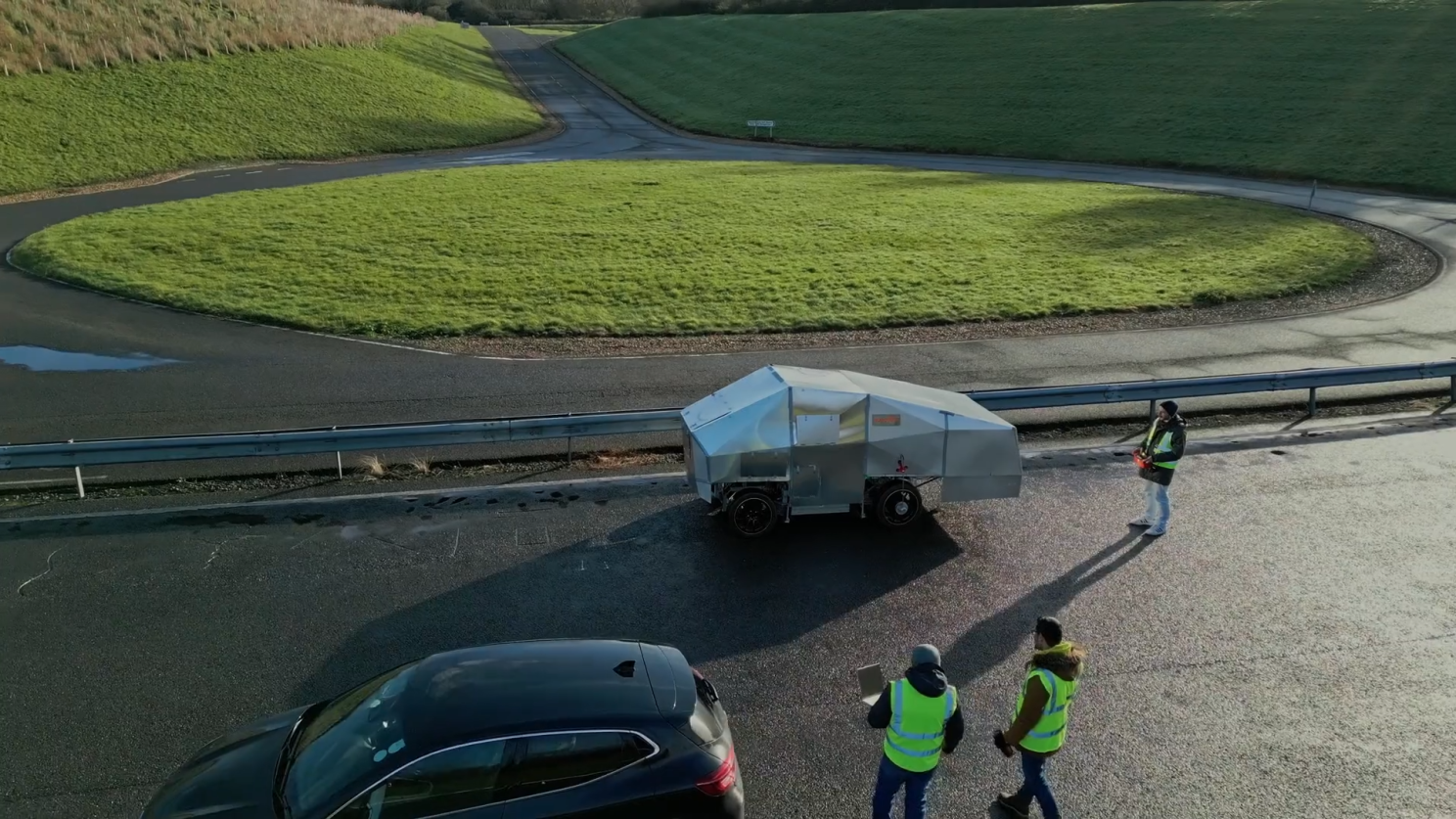
The lesson feels broader than one company or one programme. When we talk about scaling technology, we often focus on testing, data, and performance. But scaling understanding is just as important. It’s what turns prototypes into progress.
In a sector where there is a huge amount of innovation, and lots of claims being made around Technology Readiness Levels (TRLs), it makes a big difference to see a prototype out on an actual road, actually doing the thing that it’s designed to do, rather than an unsubstantiated claim of a TRL. This testing was at the CAM Testbed UK site at UTAC Millbrook, giving an independent verification, so seeing really does lead to believing.
If transparency builds trust in autonomy, then communication is how that transparency travels. Robotiz3d’s story shows that explaining, and showing, how innovation works can be just as powerful as the innovation itself.
Because when people can see not only what a technology does, but why it matters, the path from “interesting” to “impactful” gets a lot shorter.
But don’t take my word for it - here’s Robotiz3d Founder and CEO Lisa Layzell;
I’d love to hear your thoughts. Should storytelling and communication be considered part of the R&D process — not just something that happens after?
And if that R&D is publicly funded to some extent, is there an obligation to communicate that process, and show a wider audience how that funding is being spent?
foot notes
Interested in AI and video and marketing? We certainly are - this is well worth a listen. The Marketing & AI Podcast: The MAP by Hal Kimber, talking to John Gargiulo - https://open.spotify.com/episode/1yLlvUEyaM9L1FJzqYDaYE?si=vcoVaDTZTNGahIp5XNuvwA